Nike never used 7-Eleven’s name, but its colors, imagery and planned 7/11 release raise a larger question about borrowing a brand’s meaning.
Articles
Google And Apple Are Racing To Own Your Health. The Winner Owns You For Life.
Apple and Google are competing to own the future of personal health. Allen Adamson explains why the brand that gives health data meaning could earn customers’ loyalty for life.
I Have a Claim in the Anthropic Settlement. My Books Are Worth $3,000 Each. So Is Everyone Else’s.
This column examines Anthropic’s copyright settlement and what its uniform per-book payout reveals about the challenge of placing a financial value on an author’s work and brand.
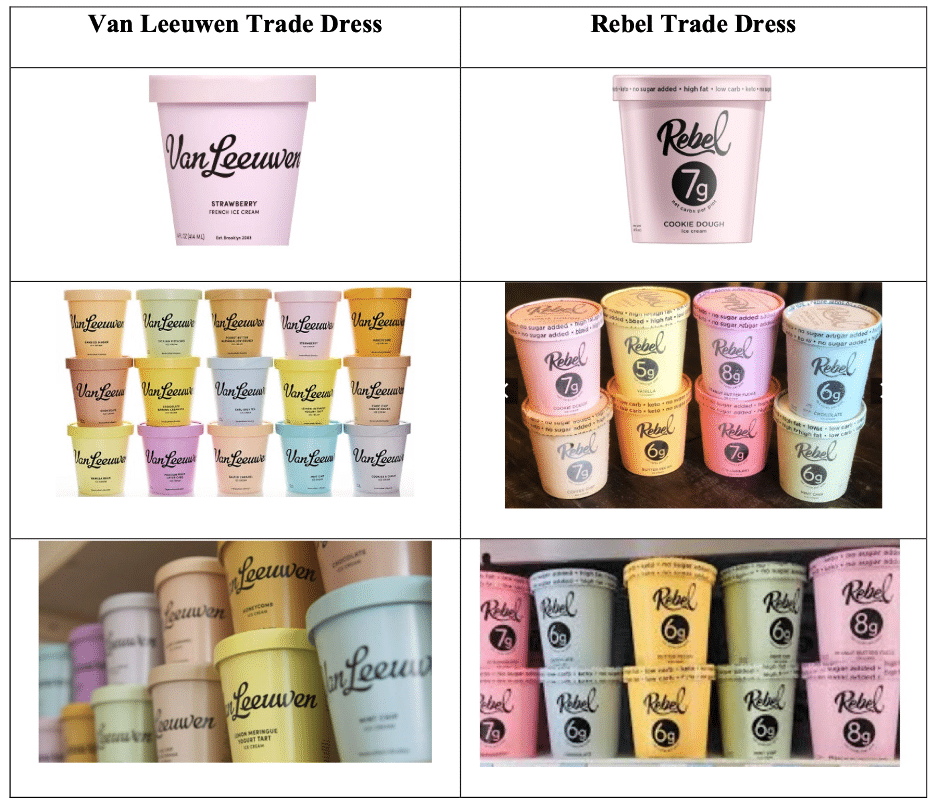
The Court Needed Five Years to Price Van Leeuwen’s Look. The Freezer Aisle Prices It Every Day.
This column examines what the $23.8 million Van Leeuwen–Rebel Creamery trade dress ruling reveals about distinctive packaging, brand value, and infringement damages.
A court found that Rebel Creamery copied Van Leeuwen’s distinctive packaging. The harder question is how much of the resulting value came from the borrowed brand design.
Can Your Brand Take You Where Your Strategy Is Going?
This column examines how companies can determine whether their brand can support where their business strategy is headed—and why a corporate rebrand is a one-shot opportunity that needs to get it right.
A corporate rebrand is one of the most expensive, longest-term strategic bets a company can make. Most fail before any work begins. Here’s why.

Trader Joe’s Calls It a Squircle. Shoppers See an Uncrustable.
This column examines what the Smucker v. Trader Joe’s Uncrustables lawsuit reveals about product-shape trademarks, trade dress, brand equity, and consumer perception.
When shoppers recognize a product by its shape rather than its name or logo, that design can become a valuable brand asset. The case asks when that investment creates protectable property—and how its value can be demonstrated.

Aldi Changed the Name, the Color, the Font, and the Photo. The Package Still Says Oreo.
This column examines what the Mondelez v. Aldi trade dress lawsuit reveals about look-alike packaging, consumer perception, and the value built into distinctive brand assets.
Aldi’s shoppers know exactly what they are buying. The case will test whether trademark law can recognize—and price—the brand value that a look-alike package borrows.
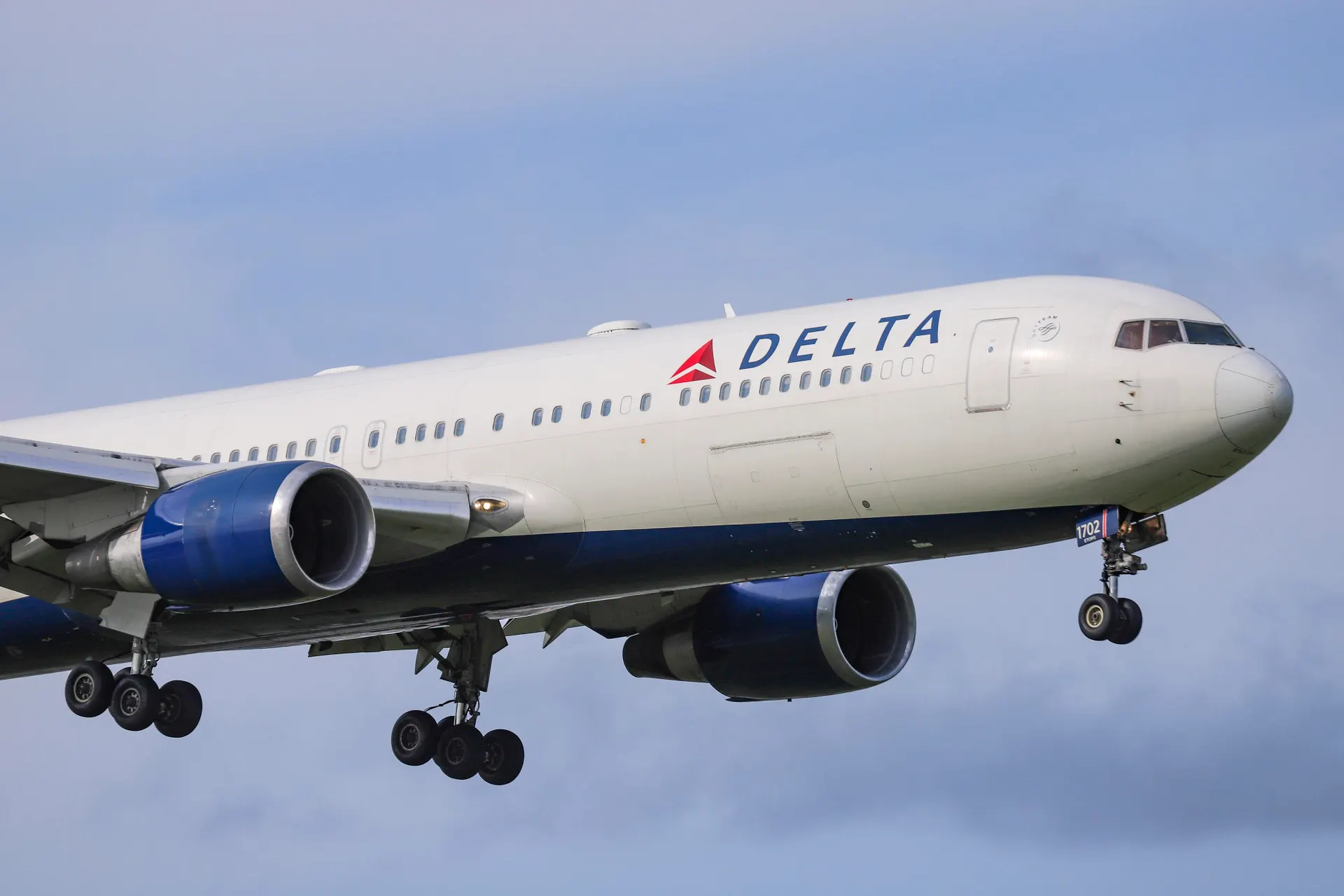
Delta’s “Basic Business” Is A Good Start. Now Finish The Job.
This column examines what Delta’s Basic Business strategy reveals about managing premium brand equity through choice and personalization.
Delta’s unbundled business-class fare is a smart start. The greater opportunity is to let customers shape the entire experience around what they value—and build loyalty by making them feel understood.

Matthew McConaughey Trademarked ‘Alright, Alright, Alright.’ What He Actually Registered Was a Brand
This column examines how Matthew McConaughey’s trademark filings highlight the growing challenge of protecting celebrity brands, AI-generated voices, and brand equity through trademark law.
As AI makes a voice or face easy to copy, celebrities are reaching for trademark protection. The harder question is whether the law can defend what the brand is actually worth.

When the Taylor Swift Brand Drowns Out a Smaller One, Trademark Damages Ask the Wrong Question
This column examines how the Taylor Swift trademark dispute illustrates reverse confusion, brand equity loss, and the limits of conventional trademark damages.
When a dominant brand overwhelms a smaller one, the harm extends beyond lost sales. Measuring it requires valuing the brand equity that was displaced—not merely the larger brand’s profits.