This column examines how artificial intelligence is reshaping brand accountability, consumer perception, and ownership of AI-generated messaging as companies face growing legal and reputational risks in digital communications. Robby Starbuck’s lawsuit against Google raises questions about AI accountability. As companies brand AI as “intelligent,” they face higher expectations for accuracy.
Author: Allen Adamson

- About Allen Adamson
- Allen Adamson is Co-Founder of Metaforce, <a href="https://nyusternberkleycenter.com/advice-for-starting/#Positioning">Brand Expert-in-Residence at the Berkley Center for Entrepreneurship at NYU Stern</a>, and an expert witness in trademark, branding, and consumer perception disputes.


The Tylenol Case: When Government Speech Destroys Safety Brands
This column examines how government speech, public safety claims, and consumer perception can become critical evidence in litigation involving reputational harm, product liability, and long-term brand damage. When a brand’s entire value rests on safety, any government suggestion that it may be unsafe for one use systematically undermines its safety across all applications. Kenvue’s Tylenol demonstrates this perfectly.
Successful and Enforceable Brands Connect with the Consumer: Lessons From a Recent 10th Circuit Decision
This column examines how marketing strategy, influencer positioning, packaging design, and consumer messaging can become evidence in product liability, false advertising, and consumer perception litigation. Engaging logos, icons, or symbols for your company are essential, and easier to create than ever.

New Revelations About AI Training Raise Risks for Trademark Distinctiveness
This column examines how Meta’s AI training practices could erode trademark distinctiveness, increase brand confusion, and create new legal risks for professional service firms and trademark attorneys. A recent reporting in The Atlantic has highlighted a new and urgent dimension to the risks posed by large language models.

The Suspension Bridge Effect: Why Trademark Attorneys Must Protect Entire Brand Systems, Not Just Individual Marks
This column examines how the Lululemon trademark dispute demonstrates why trademark attorneys must protect entire brand systems, consumer perception, and trademark distinctiveness—not just individual marks. When Chinese TikTok creators claimed to produce Lululemon leggings for five dollars, while the brand charges over $100, they garnered 2.6 million views in just a few days.
The Dual Threat: How AI Mimics Both Brand Strategy and Creative Execution
This column examines how AI trademark protection must evolve as artificial intelligence reverse engineers brand strategy, creative execution, and proprietary brand assets, creating new intellectual property risks for trademark attorneys. For decades, trademark attorneys have become adept at identifying and fighting traditional forms of brand infringement, such as knockoff logos, confusingly similar packaging, and near-identical taglines.

Beyond the Logo: How AI Complicates Trademark Protection In the Digital Age
This column examines how artificial intelligence is complicating trademark protection, consumer confusion, and brand identity disputes, creating new legal and strategic challenges for companies operating in digital environments. Today, building brands solely on the promise of a different product or service has become unsustainable. Any “new and improved” feature or benefit is quickly eclipsed by competitors.
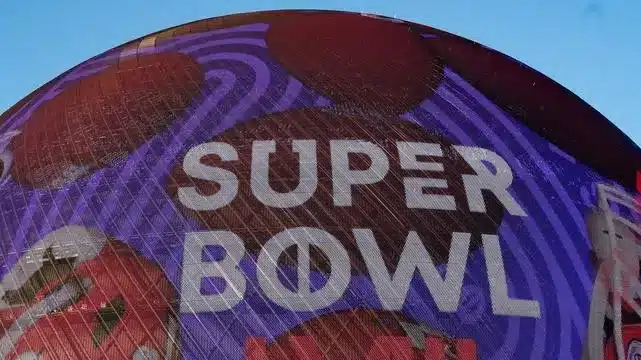
Super Bowl 2025: More Ads Take The Field. Will They Score On Game Day?
The multi-million-dollar question remains: Who will break through, get noticed, communicate a relevant message about their brand, and score an impactful sales touchdown?

Martha Stewart Has Been Reinventing Thanksgiving And Herself For 47 Years And What She Can Teach You About Keeping A Brand Relevant
When Martha Stewart started her catering business in 1976 from a Connecticut basement, few could have predicted she’d still be shaping America’s Thanksgiving celebrations nearly five decades later. Yet this year, millions of Americans will once again turn to Stewart for holiday guidance – whether through her classic cookbooks, Instagram posts, or even her latest viral moments with Snoop Dogg. Her enduring influence offers a masterclass in how brands can stay relevant not just for years, but for decades.
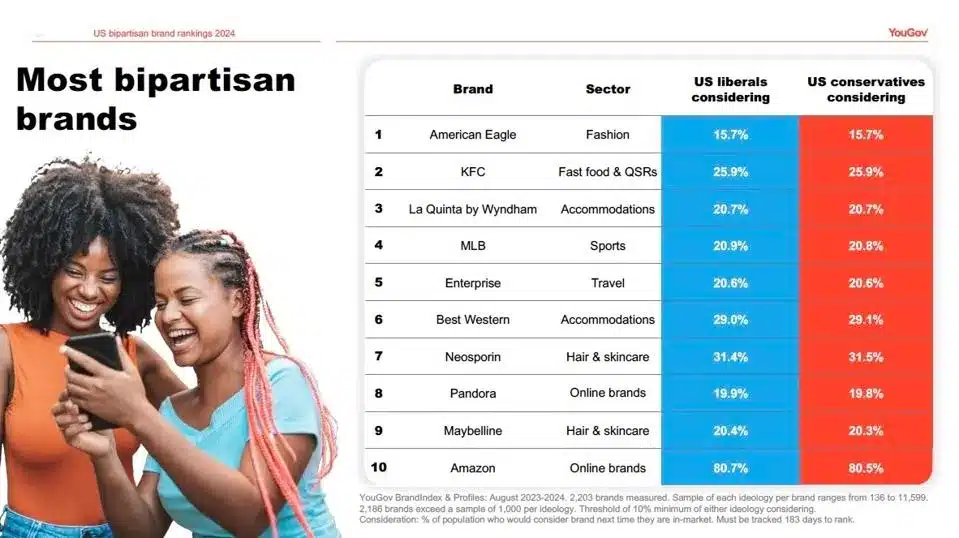
America’s Polarized Politics Are Obvious—YouGov’s Study Attempts To Link This Polarization To The Brandscape
In a recent conversation with Bob Knorpp on his BeanCast podcast, Bob opened by sharing the latest study from YouGov, which explored how political polarization is influencing brand perception in the U.S. According to the survey, only 29% of brands have bipartisan appeal, with most brands leaning either conservative or liberal. From there, our conversation quickly took off, examining the implications for brands navigating this hyper-polarized marketplace.